Top 10 Alternatives To Wan 2.5 That Are Effective
AIGC
Tutorial
I've been making good use of Wan 2.5 in my AI creation work lately, and it's been a great asset. Still, there are a few drawbacks. I've been trying different alternatives recently, and I'd like to share the ones that have proven most effective.
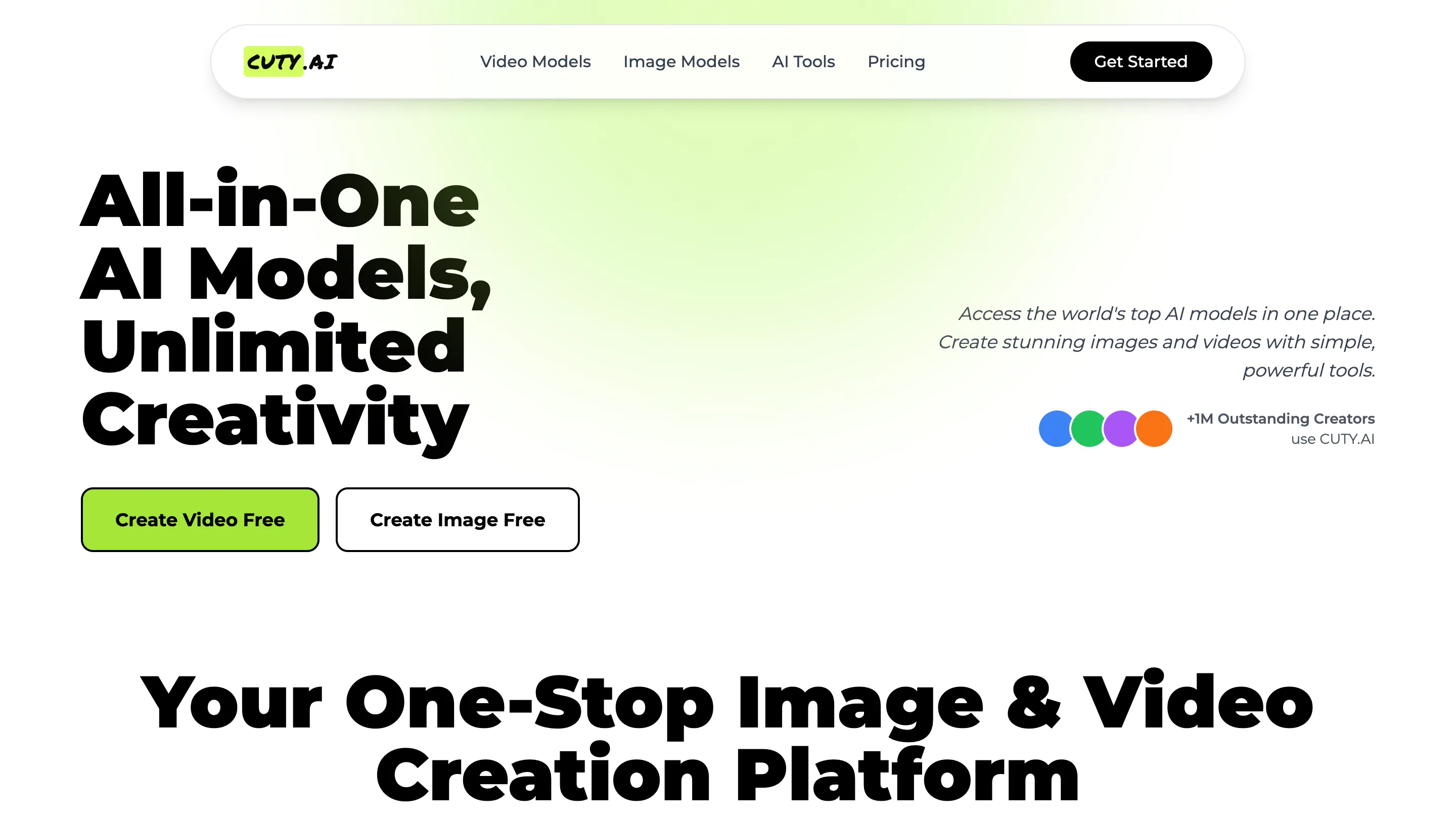
- Cuty AI - An One-Stop Image & Video Creation Platform.
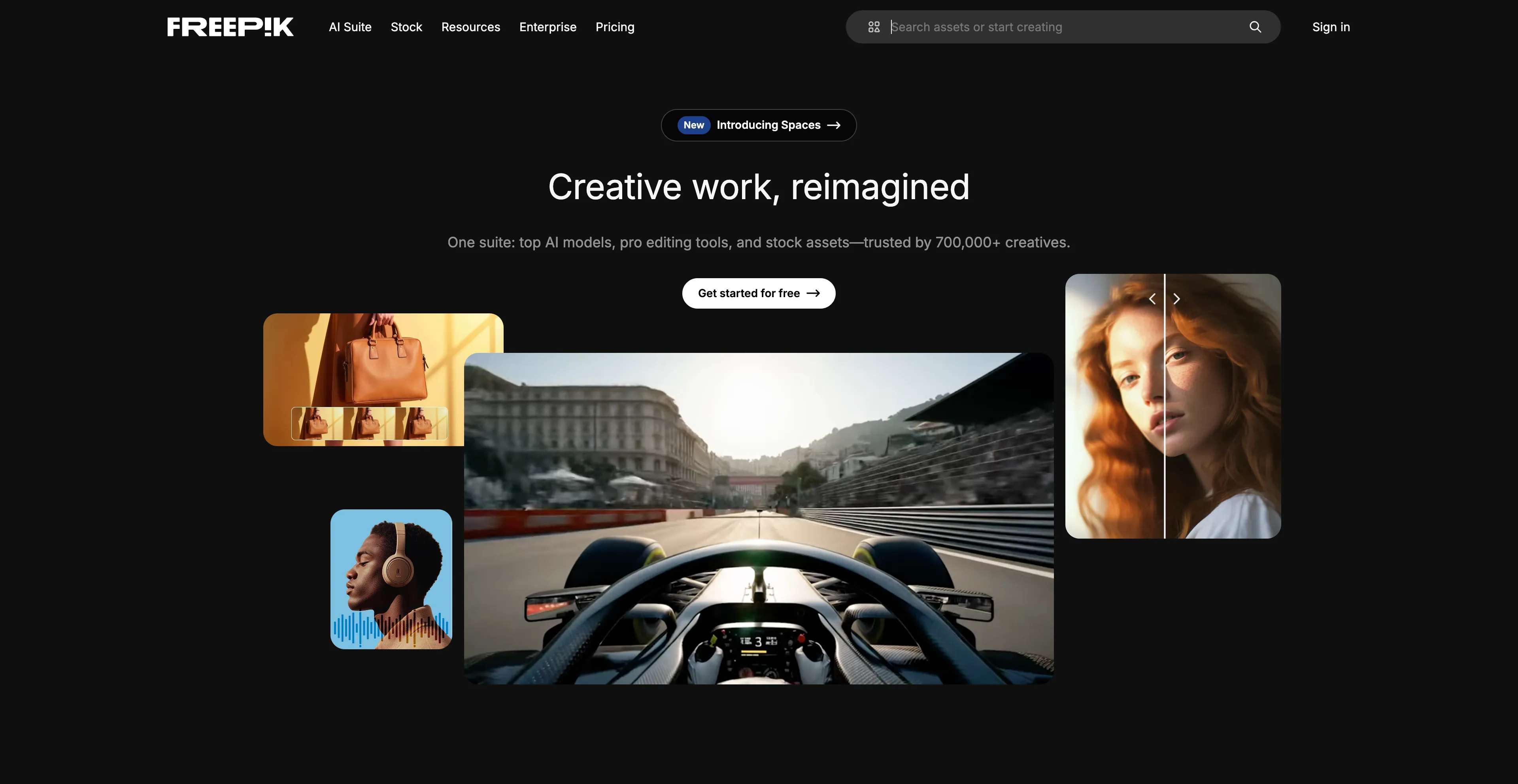
- Freepik - An online marketplace and design resource that offers a vast.
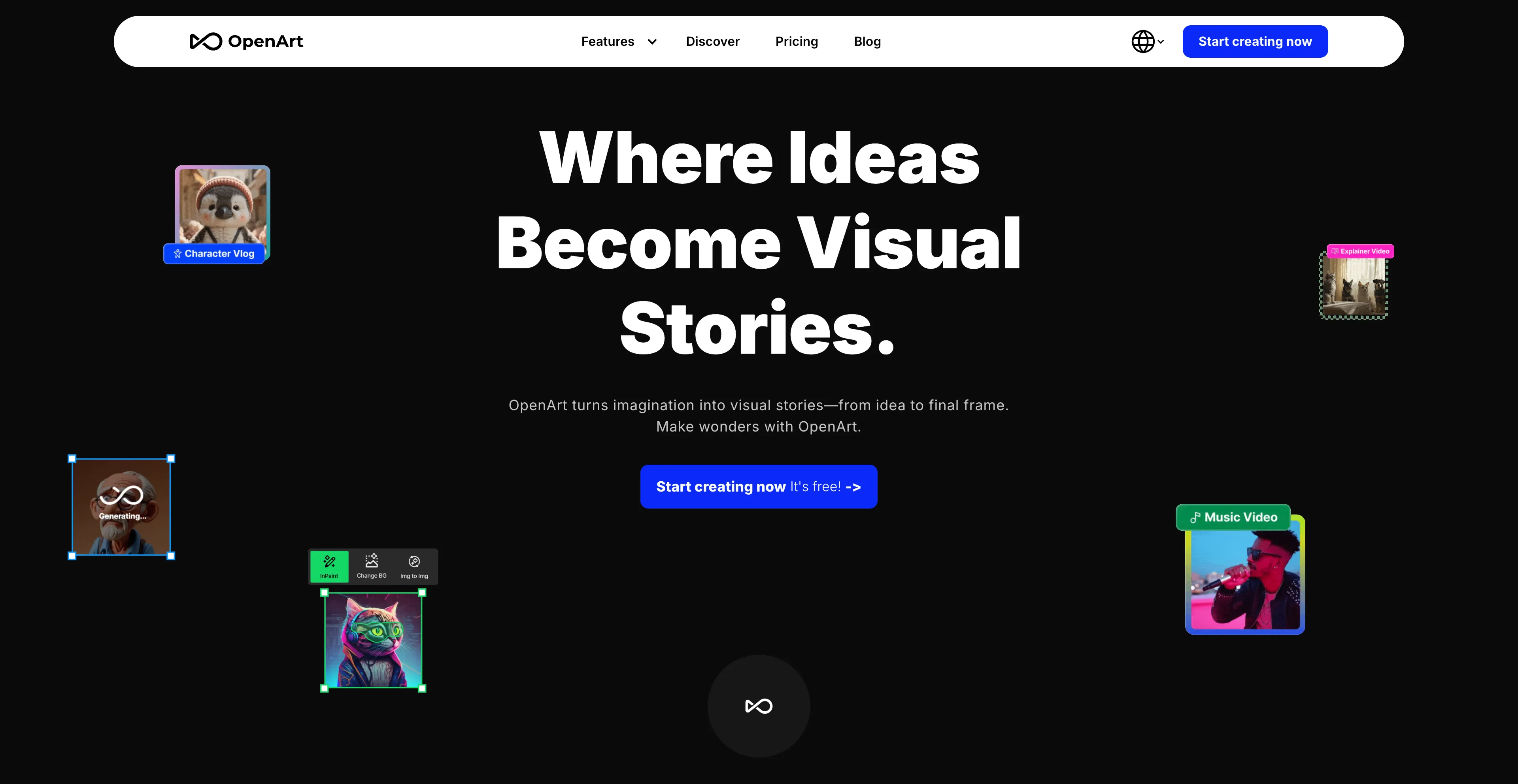
- OpenArt - An online platform for creating and editing digital art.
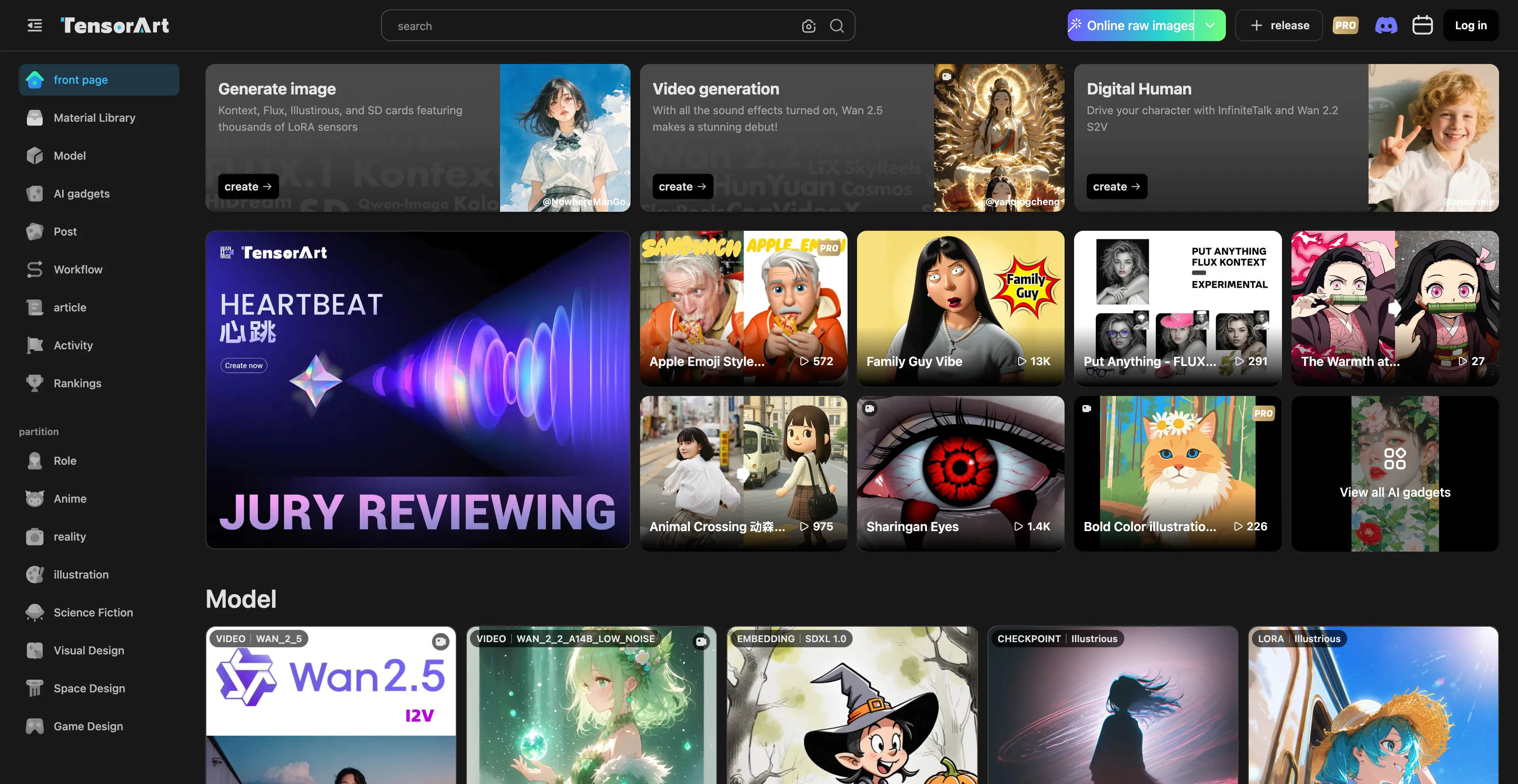
- Tensor Art - A platform for generating AI art and images.
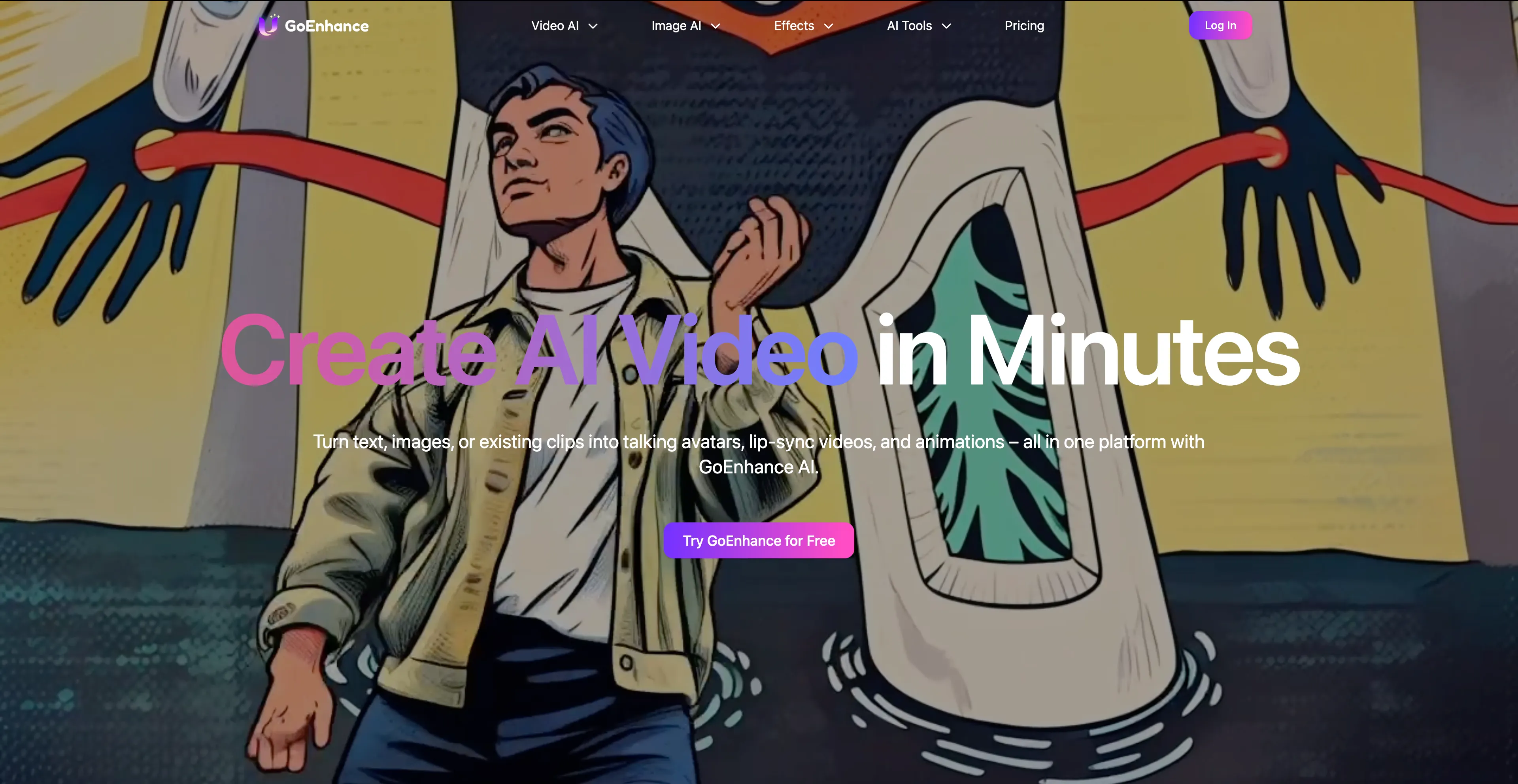
- GoEnhance AI - An all-in-one platform that uses artificial intelligence to help creators.
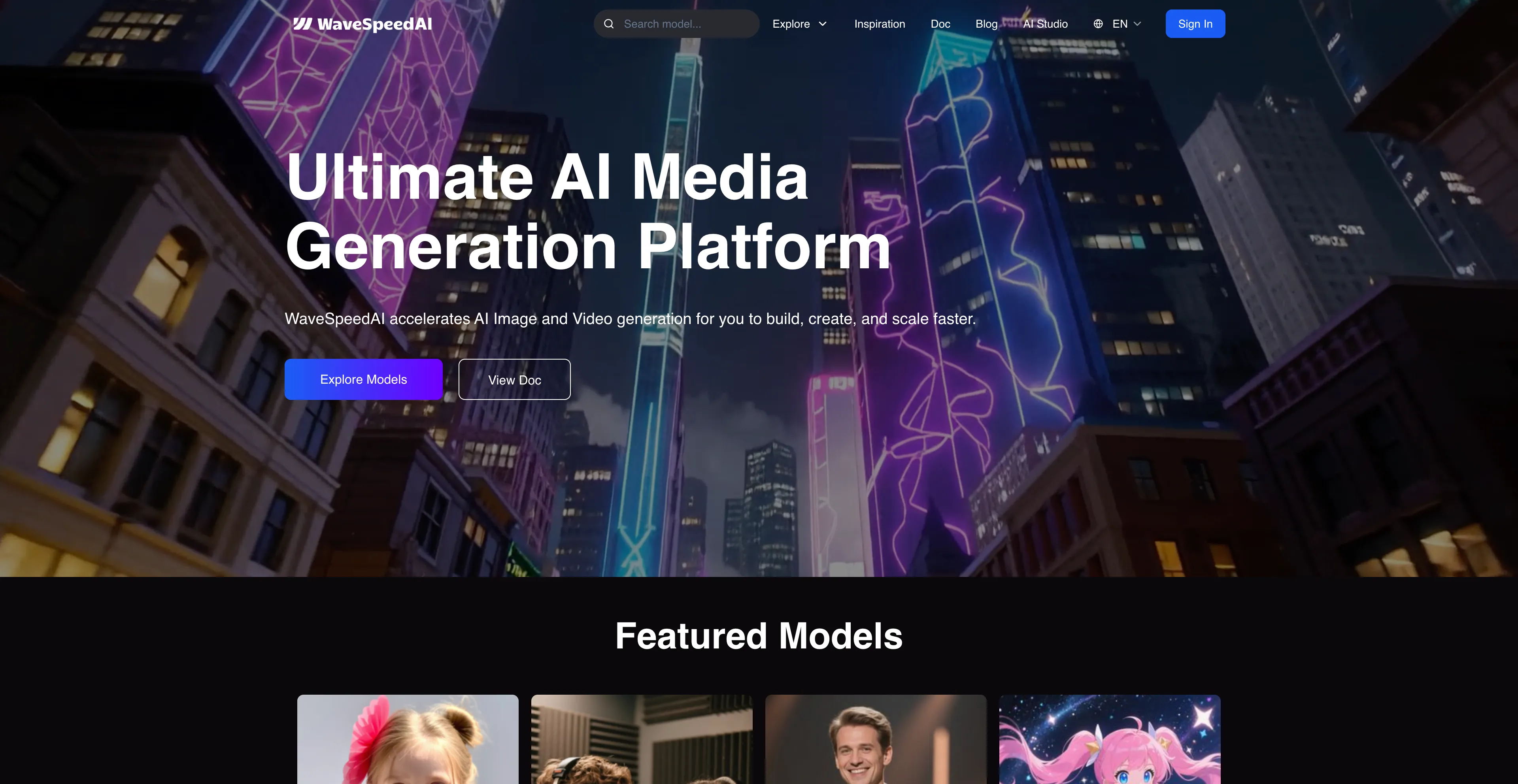
- WaveSpeed AI - A platform for developers and creators.
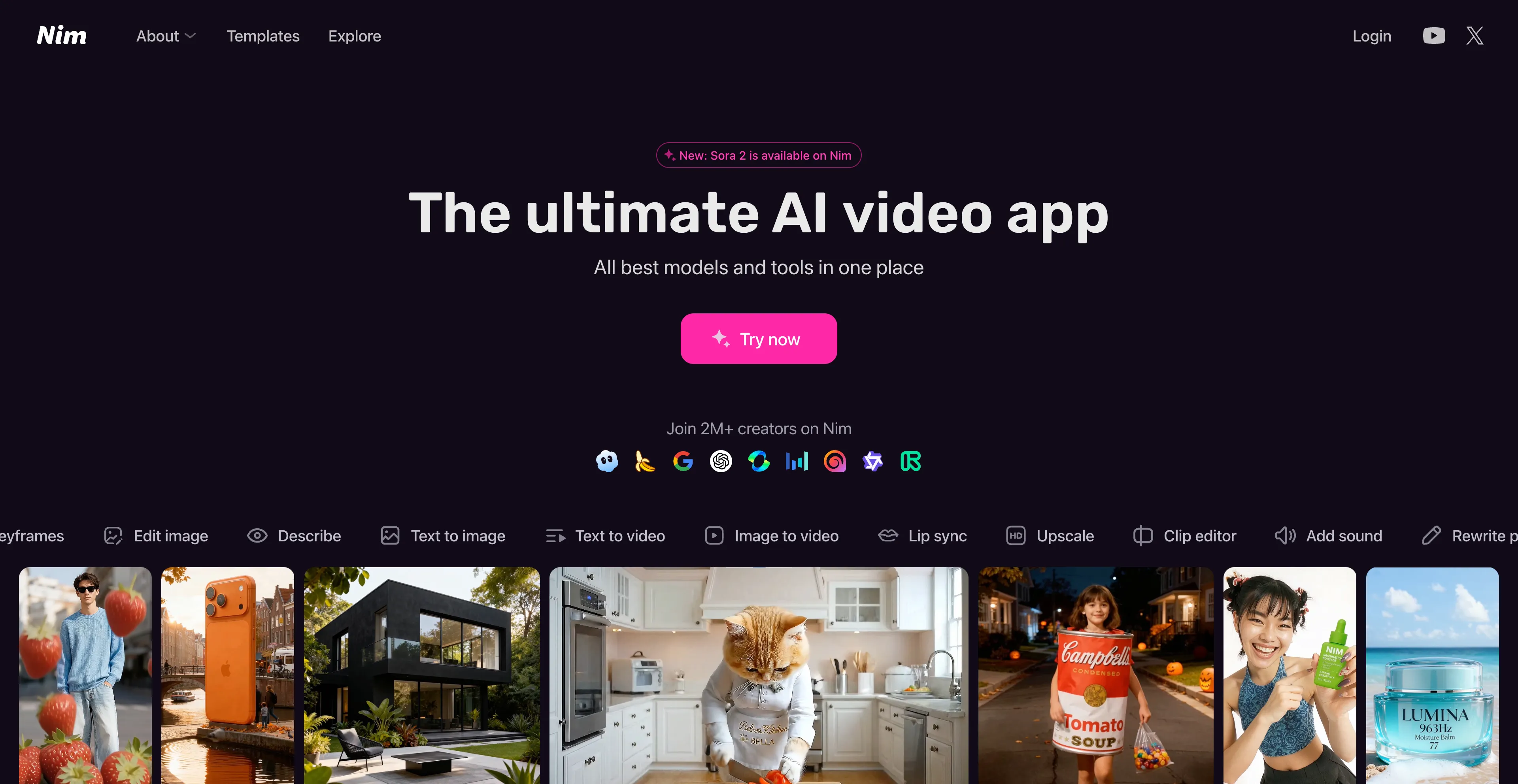
- Nim Video - An AI-powered platform that allows users to create videos.
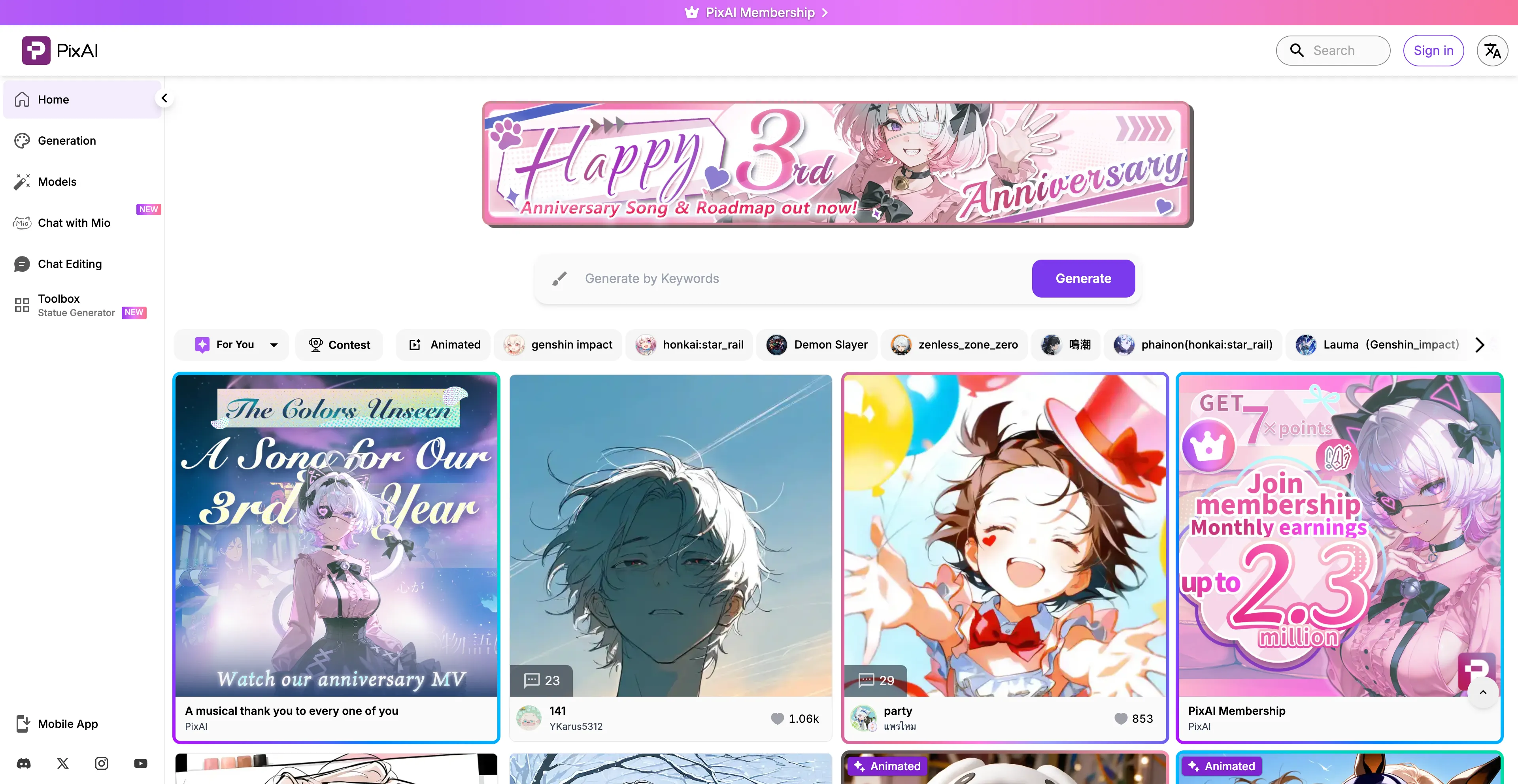
- PixAI - A free, AI-powered art generator that specializes in creating anime-style.
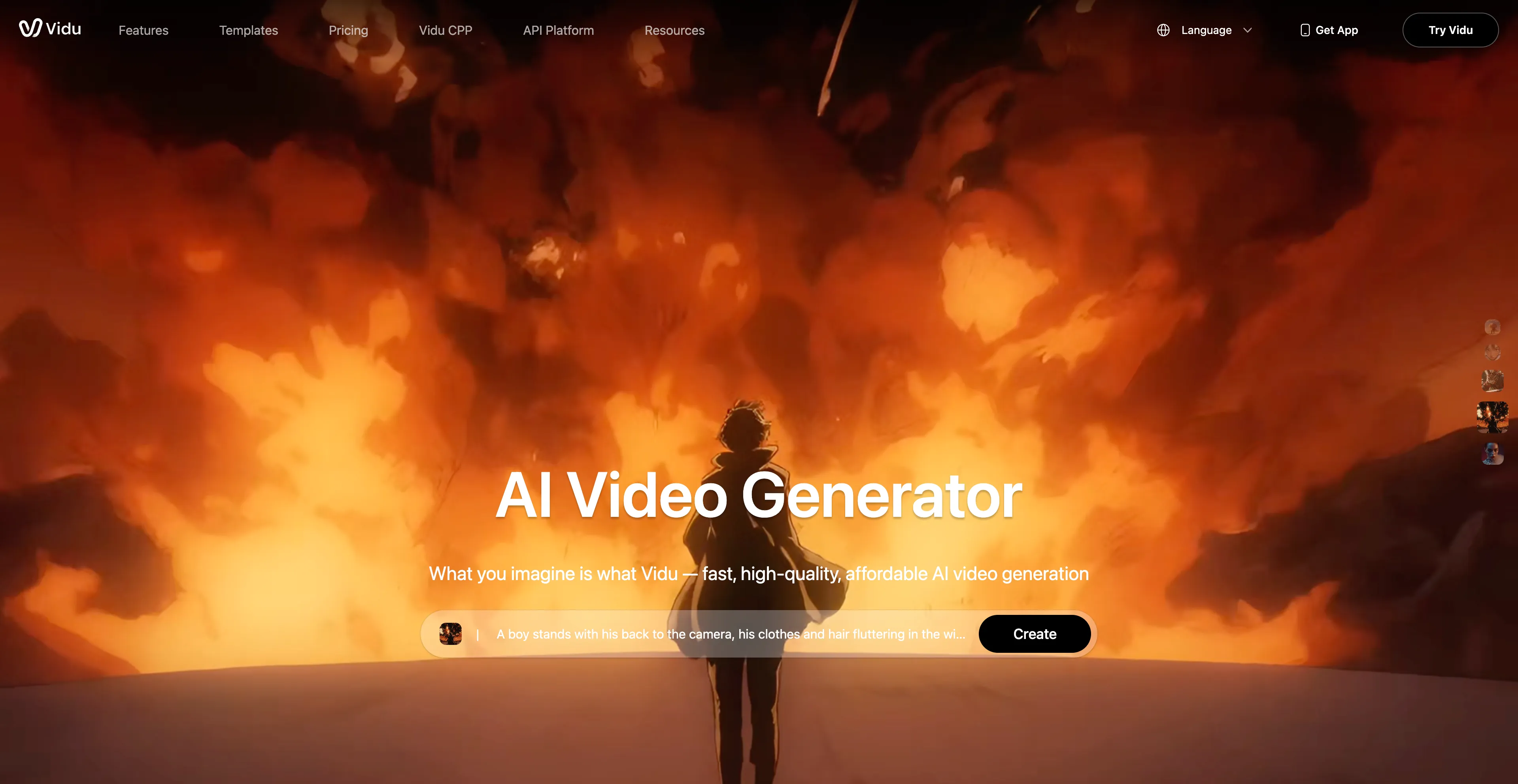
- Vidu AI - An AI video generation platform that creates videos from text.
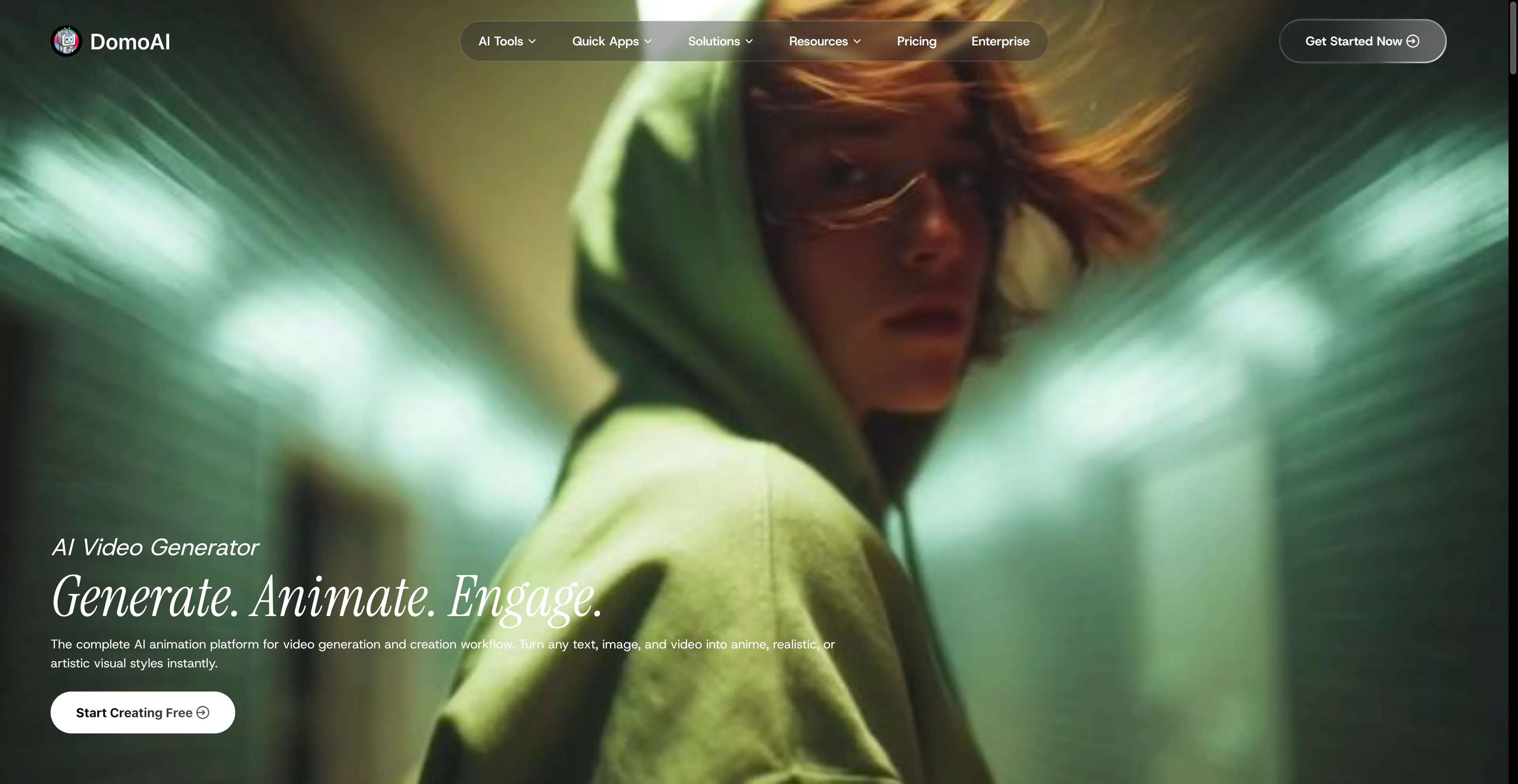
- DomoAI - A complete AI animation platform that simplifies video.
1. Cuty AI
Cuty AI stands out as a comprehensive one-stop platform for both image and video creation, making it an excellent alternative to Wan 2.5 for creators who need versatile AI tools. What makes Cuty AI particularly appealing is its unified approach to creative generation—you can access world-class AI models all in one place without jumping between different services. The platform excels at transforming ideas into stunning visuals through its text-to-image feature, which can produce everything from photorealistic images to artistic styles in just seconds. The image-to-image transformation capabilities are equally impressive, allowing you to remix and enhance photos while maintaining consistent details and unlocking endless creative possibilities. When it comes to video creation, Cuty AI truly shines. Its text-to-video feature converts written prompts into engaging video content that's perfect for marketing campaigns and social media posts. The image-to-video animation tool is particularly useful for bringing static images to life, whether you're working with portraits, avatars, or artwork. The platform offers a free plan that lets you explore its features and create images or videos at no cost, which is great for testing before committing. For users who need more generation credits and advanced capabilities, there are upgrade options available. The seamless integration of multiple AI models means you can handle your entire creative workflow without switching platforms, which significantly streamlines the content creation process.
2. Freepik
Freepik is an online marketplace and design resource that offers a vast library of visual assets like photos, vector graphics, and templates, along with AI-powered creative tools, making it a comprehensive alternative to Wan 2.5 for designers and content creators. It operates on a freemium model, providing a large selection of free resources while offering premium content and advanced AI features through a paid subscription. Users can find assets for a wide range of projects, from social media posts to full-scale website designs, making it a versatile resource for various creative needs. The platform offers a large collection of free and premium photos, vectors, illustrations, icons, and templates, along with a suite of AI tools for tasks such as generating images from text, editing and retouching photos, creating videos, and expanding images. Freepik provides an online platform with an integrated design editor and mockup generator, allowing users to edit templates and create professional visuals without needing extensive software. The platform includes a search engine that helps users find high-quality graphic resources by searching across many websites and ranking results based on quality and relevance. For free users, many assets and some tools are available for free, and users can find free content by applying a "Free" filter after a search. Free assets may require attribution. For premium users, a paid subscription unlocks the full library of premium assets, removes limitations on downloads, and provides access to all advanced AI tools. However, users find the premium pricing quite costly, especially with limitations on daily downloads, which can be a significant drawback for heavy users who need to download many assets regularly.
3. OpenArt
OpenArt is an online platform for creating and editing digital art using artificial intelligence, founded by former Google employees, making it a comprehensive alternative to Wan 2.5 for digital artists and creators. It offers tools to generate images from text prompts, apply various artistic styles, and edit existing images. The platform also includes advanced features like generating videos from images or text, editing with features like inpainting and object removal, and a community to share and build upon creative work. Users can create images from text descriptions and choose from over 100 different AI models for various styles like photorealistic, anime, or fantasy art. It provides a suite of editing tools, including object removal, inpainting, upscaling, and the ability to regenerate or restyle parts of an image. The platform allows users to generate videos from images or text, with different modes for narrative-driven or abstract content. OpenArt has a community aspect where users can share their creations and learn from each other, which can help inspire and replicate results. It offers team plans with shared assets, permissions, and pooled credits, designed for studios and agencies. The platform uses a credit-based system, with different subscription plans offering varying amounts of credits for generation and other features. However, users may find their customization options restricted, impacting the uniqueness of generated artwork. The platform relies heavily on internet connectivity and advanced hardware, potentially limiting access for some users.
4. Tensor Art
Tensor Art is a platform for generating AI art and images, which allows users to create visuals from text prompts or custom models and also provides tools for training and hosting their own AI models, making it a powerful alternative to Wan 2.5 for creators who need advanced customization options. It supports various features like text-to-image, image-to-image, and text-to-video generation, and integrates tools like background removers and upscalers to enhance the final output. The platform also includes advanced customization options, such as the ability to use a custom Comfy UI workflow, and offers free daily credits to users. Users can create images and videos using text-to-image, image-to-image, text-to-video, and image-to-video features. The platform enables users to train their own AI models by uploading images and setting parameters like epochs and repeats. Users can host and share their trained models within the community or monetize them through the integrated marketplace. It includes a variety of tools to refine images, such as background removal, face swapping, and upscaling. Tensor Art integrates a custom Comfy UI workflow, allowing for advanced customization and exploration of models without requiring a local setup. The platform offers 100 free credits daily to all users to facilitate exploration. It has a community feed where all generated images are displayed, and users can view and remix existing generations to learn from them. However, while users can upload custom models, fine-tuning and adjusting core parameters of pre-existing AI models is restricted. High-quality image generation and model hosting demand significant computational resources, which may affect performance.
5. GoEnhance AI
GoEnhance AI is an all-in-one platform that uses artificial intelligence to help creators generate and edit videos and images, making it a solid alternative to Wan 2.5 for those who need comprehensive creative tools. The platform is designed to be user-friendly for both beginners and professionals, offering a range of features that simplify the content creation process. One of its standout capabilities is the video-to-video transformation feature, which allows you to convert existing videos into various styles, including anime, cartoon, and 3D animation. This opens up creative possibilities that would otherwise require extensive manual editing or specialized software. The text-to-video feature generates video clips from simple text prompts, complete with motion, voiceover, and music, which is perfect for quickly creating content for social media or marketing campaigns. GoEnhance AI can also create AI-generated images from text prompts and upscale low-resolution photos and videos to high-definition quality, which is incredibly useful for enhancing existing content. The platform includes face swapping capabilities in videos using AI, and it offers a range of effects to apply to videos, such as 3D effects or stylized transformations. Users can input a video, text, or an image to begin, and the platform uses advanced AI models to process the input and generate a new video or image based on the user's specifications. However, on the other hand, it also has some drawbacks. Although the overall picture quality is good, you'll see that the picture is obviously shaking in the video. If the generated video is too long, it will make the audience feel dizzy, which can be a significant drawback for professional use.
6. WaveSpeed AI
WaveSpeed AI is a platform designed for developers and creators that offers fast, unified access to a wide range of multimodal AI models for generating images and videos, making it a powerful alternative to Wan 2.5 for technical users. The platform provides a unified inference runtime, API access, and optimization tools to help users build AI-native products quickly. It's designed as an all-in-one solution that brings together leading generative AI models so users don't have to jump between different services. WaveSpeed AI enables the creation of images and videos from text, image, or audio prompts by providing access to models that handle text-to-image, image-to-image, and text-to-video generation. The platform features a simple HTTP API that allows developers to integrate WaveSpeed AI into their applications, with usage examples provided in various programming languages. The dynamic optimization tools and unified inference runtime ensure high-speed performance, and the platform supports a diverse collection of cutting-edge AI models from different providers, allowing users to work with a variety of tools within a single platform. However, the quality can be inconsistent and may require refinement or post-editing. The UI leans technical and is less beginner-friendly than some rivals, which might be a barrier for users without technical backgrounds. Despite these considerations, WaveSpeed AI is an excellent choice for developers and technical creators who need unified access to multiple AI models.
7. Nim Video
Nim Video is an AI-powered platform that allows users to create videos from text prompts or images, and includes features like lip-syncing and video style transfer, making it a comprehensive alternative to Wan 2.5 for content creators. It acts as an all-in-one tool for content creators by combining various AI models and tools into a single interface, simplifying the video generation process for those without technical skills. The platform can also be used to animate existing images and add voiceovers, music, and effects, which makes it incredibly versatile for various content creation needs. You can generate videos from written text prompts, transform still images into dynamic videos, and animate an AI avatar's mouth to match a voiceover in real time. The platform allows you to change the style of a video using generative models, and you can use pre-made or custom AI avatars as on-screen narrators for a consistent look. Nim Video can improve the resolution and clarity of videos using models like Topaz, and it provides a unified interface that allows you to access a variety of AI models and tools from one place without needing multiple subscriptions. However, users find the setup process complex with a steep learning curve, requiring significant time and effort to complete. The learning curve can be difficult, and there are complexity issues that may frustrate beginners. Some users also report password issues that can be problematic.
8. PixAI
PixAI is a free, AI-powered art generator that specializes in creating anime-style images from text prompts, making it an excellent alternative to Wan 2.5 for anime enthusiasts and digital artists. It is designed for users of all skill levels, allowing them to generate, customize, and download anime characters and scenes without needing traditional artistic skills. The platform also offers additional features like image editing, a community to share creations, and options to train custom AI models, which adds significant value for users who want to create consistent characters or develop their own artistic style. The platform creates anime-style artwork based on user-provided text descriptions, specializing in generating anime characters and scenes. Users can adjust style, color, and details, and the platform provides editing tools to refine generated artwork. PixAI is available for free, with paid options for priority modes. Users can share their creations on the platform, and the platform allows users to train their own AI models (LoRAs) using their own data. It also offers features like an image-to-video function for members. To use PixAI, users sign up on the website, provide a detailed text prompt describing the character or scene they want to create, click "Generate" and wait for the AI to create the artwork, use the editing tools to refine the image, and download the final result. However, users cannot fine-tune details or adjust specific artistic elements directly within the tool, which limits artistic control. The platform also requires a stable internet connection to access and use, limiting offline usability.
9. Vidu AI
Vidu AI is an impressive AI video generation platform that has become a strong contender in the text-to-video space, making it an excellent alternative to Wan 2.5 for creators who need advanced video generation capabilities. What sets it apart is its advanced "reference-to-video" tool, which intelligently synthesizes multiple reference images into one cohesive video—a feature that's genuinely innovative. The platform offers comprehensive capabilities including text-to-video and image-to-video conversion, with a focus on generating high-resolution, stable animations with realistic motion. The AI sound effect generator is a nice touch that adds another layer of creativity to your projects. The text-to-video feature quickly generates 2D and animated videos from text prompts, focusing on stable visuals and natural movements. The image-to-video function animates single uploaded images based on text prompts, while the flagship reference-to-video feature allows you to upload up to seven images that the AI combines into a single, cohesive video while maintaining consistency. The platform generates sharper visuals with enhanced subject detail and stable animations, creating fluid, lifelike animations with natural body movements and camera dynamics. Vidu AI offers both free and paid tiers, along with pre-designed templates for specific video types. However, pricing transparency could be improved, and complex personalized workflows may require some setup time. The high-quality output makes it worth considering despite these considerations.
10. DomoAI
DomoAI has quickly become one of my go-to platforms for AI animation, especially since it launched in 2023 and has already grown to over 3 million users. This complete AI animation platform simplifies video generation in ways that make it accessible to both beginners and professionals. What I love about DomoAI is its versatility—you can convert text, images, and videos into anime, realistic, or artistic visuals using over 30 unique styles. This variety means you're not limited to one aesthetic, and you can experiment with different looks until you find what works best for your project. The platform's recognition from industry leaders speaks to its quality and innovation. The workflow is intuitive, and the results are consistently impressive. However, there are a couple of things to keep in mind. Some users may need time to familiarize themselves with all the features, as there's an initial learning curve. While DomoAI supports many features, its integration with other third-party platforms is currently somewhat limited, which might be a consideration if you rely heavily on external tools. Despite these minor drawbacks, DomoAI remains a powerful and reliable choice for anyone looking to create animated content efficiently.